
Introduction
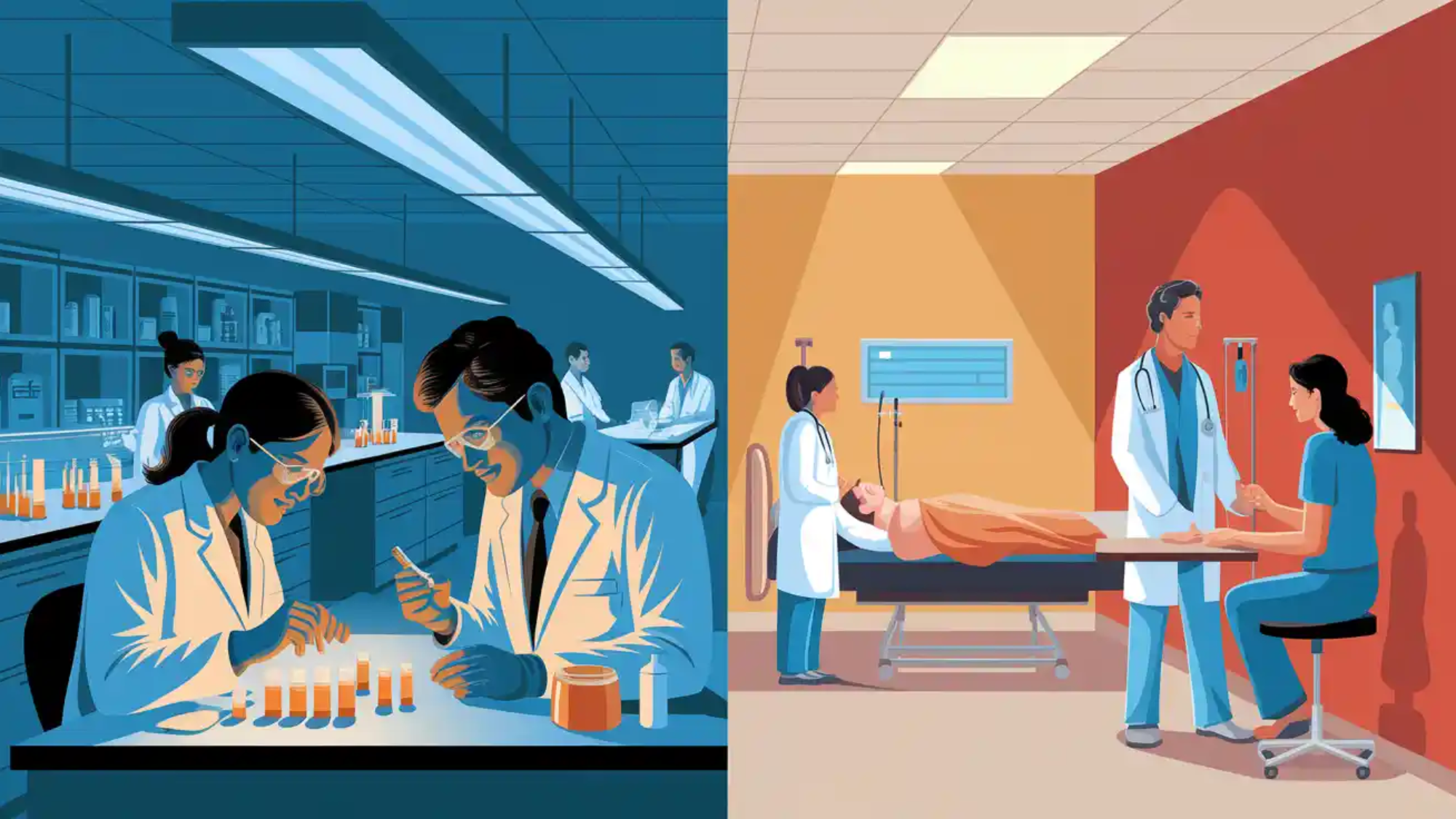
At first glance, the pharmaceutical and healthcare industries seem closely connected—after all, both aim to improve health outcomes. However, when it comes to talent demands, the two sectors operate in fundamentally different ways. Pharma thrives on discovery, development, and regulation, while healthcare revolves around patient care, hospital management, and service delivery.
For job seekers and employers alike, understanding these differences is crucial. Let’s break down how talent demands vary between pharma and healthcare—and what that means for the future of hiring.
Understanding the Pharma Industry’s Talent Needs
The pharmaceutical industry is powered by research, innovation, and compliance. Every new drug or therapy requires years of scientific work, strict adherence to regulatory norms, and precision in manufacturing.
Key Roles in Pharma:
R&D Scientists & Biostatisticians – developing new drugs and therapies.
Regulatory Affairs Specialists – ensuring compliance with global standards.
Manufacturing Experts – driving large-scale production with quality assurance.
Medical Affairs & Marketing Teams – bridging science with commercialization.
Skills in Demand:
Strong scientific and analytical abilities.
Regulatory knowledge (FDA, EMA, CDSCO compliance).
Innovation and adaptability to digital tools like AI in drug discovery.
Pharma hiring often targets niche specialists who can combine science, compliance, and business acumen.
Understanding Healthcare Industry’s Talent Needs
Unlike pharma, the healthcare industry revolves around people and patient care. The emphasis is on service delivery, treatment, and management of healthcare systems.
Key Roles in Healthcare:
Doctors & Nurses – frontline patient care.
Allied Health Professionals – physiotherapists, lab technicians, pharmacists.
Healthcare Administrators – managing hospitals, insurance, digital health platforms.
Public Health Specialists – ensuring community-level healthcare delivery.
Skills in Demand:
Clinical expertise and patient engagement.
Emotional intelligence and communication skills.
Ability to adapt to digital health technologies like telemedicine and EMRs.
Healthcare talent demand is broader, ranging from specialized clinical roles to hospital operations and digital innovation.
Key Differences in Talent Demands
Scientific vs. Clinical Expertise
Pharma thrives on scientific research and data analysis.
Healthcare thrives on clinical application and patient interaction.
Regulatory Focus vs. Patient-Centric Focus
Pharma is deeply tied to regulatory frameworks.
Healthcare is driven by patient satisfaction and care quality.
Innovation vs. Service Orientation
Pharma seeks out innovators who can push the boundaries of science.
Healthcare seeks caregivers who can deliver compassionate and efficient service.
Career Pathways and Growth
Pharma careers often move toward R&D leadership, regulatory policy, or commercialization.
Healthcare careers progress through specialization, hospital administration, or digital healthcare leadership.
Hiring Challenges in Both Industries
Despite differences, both industries face hiring challenges.
Pharma Challenges:
Shortage of highly specialized R&D talent.
Difficulty finding regulatory experts with global experience.
Competition with biotech startups for top scientists.
Healthcare Challenges:
Shortage of doctors and nurses, especially in rural areas.
High attrition due to burnout and workload.
Difficulty retaining healthcare professionals in competitive markets.
The Future of Talent in Pharma and Healthcare
As industries evolve, new opportunities—and skill gaps—are emerging.
AI in Pharma – speeding up drug discovery, requiring hybrid data-science skills.
Digital Health in Healthcare – telemedicine, wearable health devices, and personalized medicine demand new technical expertise.
Biotech Convergence – overlapping needs where pharma scientists and healthcare professionals collaborate on precision medicine and biologics.
Future talent will need interdisciplinary expertise—scientific knowledge, digital fluency, and human-cantered care.
How Recruitment Partners Can Help
Navigating these differences can be challenging for employers. Recruitment partners bring:
Industry-Specific Hiring Expertise – specialized knowledge of pharma and healthcare roles.
Access to Global Talent Pools – helping fill niche roles quickly.
Regulatory Compliance Assurance – ensuring talent meets legal and ethical standards.
For organizations, collaborating with specialized recruiters ensures the right talent is matched to the right sector.
Conclusion
Pharma and healthcare may share the same ultimate goal—improving health—but their talent demands are distinct yet complementary. Pharma relies on scientific innovation and compliance, while healthcare depends on clinical expertise and patient-centered care.
As industries evolve with AI, digital health, and biotech, the lines between them may blur. However, employers who understand the unique hiring needs of each sector—and partner with experienced recruiters—will stay ahead in building future-ready teams.
👉 If your organization is seeking top pharma or healthcare talent, connect with our recruitment experts today to find the right fit.
FAQ Section
Q1. What is the main difference between pharma and healthcare jobs?
Pharma jobs focus on research, drug development, and regulatory compliance, while healthcare jobs focus on patient care, hospital management, and service delivery.
Q2. Why is pharma hiring more specialized than healthcare hiring?
Pharma requires niche expertise in R&D and regulations, whereas healthcare has a broader range of clinical and operational roles.
Q3. How do digital health trends affect pharma and healthcare talent needs?
Pharma increasingly needs data scientists and AI specialists, while healthcare requires professionals skilled in telemedicine and digital health tools.
Q4. What challenges do both pharma and healthcare face in talent retention?
Both industries struggle with retaining skilled professionals due to high demand, burnout, and global competition.